
Replacing RV tires is one of the most important maintenance decisions RV owners face—and one of the most confusing. With dozens of tire types, load ranges, and sizes across different motorhome classes, it’s natural to wonder, “How much do RV tires cost?” or “How much are RV tires for my specific RV?” The truth is that RV tires cost anywhere from $90 to $800+ per tire, depending on the size of your rig and the type of tire you need.
Whether you’re preparing for a long road trip, buying a used RV, or simply trying to budget for routine maintenance, understanding RV tire pricing is essential for both safety and long-term savings. RV tires age quickly, carry significantly heavier loads than passenger vehicles, and require specialized construction to handle extended travel and high heat. Because of this, choosing the right tire—and knowing what a fair price looks like—can prevent blowouts, improve fuel efficiency, and give you a smoother ride.
This guide provides a complete breakdown of RV tire prices by class, size, and tire type, along with installation costs, lifespan expectations, and money-saving tips. If you’re shopping for new RV tires and want clear, factual, and easy-to-scan information, this is the only guide you’ll need.
What Determines RV Tire Cost?
When you look at prices for RV tires, the variation can be significant — from roughly $90 per tire all the way up to $800+. But why such a wide range? The answer lies in several interrelated factors — from the size of your RV to the construction of the tire, load capacity, and even extras like brand reputation or installation services. Below we break down the most important determinants of rv tires cost, helping you understand exactly what you’re paying for.
Major Cost Drivers for RV Tires
Tire Size & RV Class
Tire size — which correlates directly with your RV’s class — plays a primary role in cost. Larger RVs require larger tires: more rubber, larger rims, and stronger internal construction.
Class A motorhomes typically use large tires (e.g. 22.5″ rims) that carry heavy loads. These are among the most expensive, often ranging $250–$800+ per tire.
Class B vans and smaller trailers need smaller tires (14″–16″ rims), and the cost per tire tends to be lower (often $90–$200 for trailer tires, or $120–$350 for light motorhomes)
The larger the diameter and width, the more material is used — escalating manufacturing costs, which directly increases retail price.
Bottom line: Tire size and the class of RV largely define the base cost. Bigger rigs → bigger tires → higher cost.
Load Rating & Ply / Construction Standards
RV tires often carry much more weight than passenger vehicles. That’s why load range (also called ply rating) is critical. Tires need stronger sidewalls, reinforced belts, and higher ply equivalence to safely bear the axle weight.
Heavy-duty tires rated for high loads — ideal for Class A motorhomes or heavy trailers — require more robust construction, increasing cost.
In many RV tires, radial construction is used because it offers better heat dissipation, lower rolling resistance, and longer life than older bias-ply designs. That added manufacturing complexity also raises price.
If you try to save money by going below recommended load rating, you risk blowouts — which can be far costlier (repairs, damage, danger) than the savings.
Tire Type & Intended Use
Not all tires are created for the same conditions. The type of tire — and what it’s designed to do — heavily influences cost:
ST (Special Trailer) tires: Designed specifically for trailers and RVs, with stiffer sidewalls and higher load capacity for towing stability. These can cost moderately depending on size but generally offer good value.
LT (Light Truck) tires: Often used on motorhomes (Class B/C) — especially when driving on the road rather than towing. Their hefty construction and durability mean higher cost than standard car tires.
All-terrain / All-season tires: For RV owners doing off-road, boondocking, or frequent long-distance travel. These cost more due to reinforced construction, specialized tread compounds, and versatility.
Premium brand tires (e.g., Goodyear, Michelin): Known for quality, durability, better warranty, and longer lifespan — consequently priced higher than budget or generic options.
So if you’re using your RV for heavy loads, frequent travel, or off-road adventures — expect to pay more for tires suited to those tasks.
Tire Age, Compound, and Build Quality
A tire’s internal build, rubber compound, and quality control significantly affect price.
High-end tires use top-quality rubber compounds that resist heat, cracking, and road wear — improving longevity (often 5–7 years or more) and safety.
Tires degrade over time due to UV exposure, ozone, and weather, even if tread remains intact. That means age affects safety — many manufacturers recommend replacing tires after 5–7 years regardless of tread depth.
Because of stricter construction standards and tested quality controls, premium tires cost more — but also tend to deliver better real-world value by reducing risk of blowout or premature failure.
Choosing a cheaper tire might save money upfront — but could cost more in the long run in maintenance, repair, or even replacement.
Market Supply, Brand & Demand
Just like many products, supply-and-demand and brand reputation influence tire pricing:
Premium tire brands that build a reputation for quality and reliability (Goodyear, Michelin, Hankook, etc.) generally command higher prices.
Specialty tires (e.g., all-terrain, dual-axle trailer tires, high-load radial tires) have smaller production runs — which often means higher per-unit costs than standard passenger car tires.
Geographic factors — local availability, shipping, and regional demand — can also shift price. If a particular tire size is uncommon in your region, expect markup due to shipping, stocking difficulties, or lower supply.
Installation & Associated Services
Buying the tire is only part of the cost — installation and additional services also contribute significantly to the total expense.
Basic mounting and balancing: often $20–$50 per tire.
Additional services: valve stems, TPMS sensors, bead sealing (especially for heavy trailers), nitrogen fill, disposal of old tires — all add up.
If wheels need replacement, or if tires require special-size rims (dual wheels, wide-base, reinforced wheels), that adds to costs as well.
So, when you see a quote for RV tires, always check whether installation and extras are included — this significantly affects the final outlay.
Safety, Load Requirements & RV’s Condition
Because RVs carry heavy loads — water tanks, propane, gear, passengers — tire selection must meet or exceed specific load ratings. Safety-conscious owners often choose higher-rated tires than minimum specs.
Tires must match or exceed load rating and inflation specs found in the RV manual.
Overloading or improper inflation accelerates wear or causes dangerous blowouts; therefore, many owners pay more for higher-capacity, more robust tires to avoid risk.
The heavier and larger the RV (consider a fully loaded Class A vs a light trailer), the tougher the tire’s demands — which pushes owners toward premium tires with higher manufacturing costs.
In short, safety and compliance often require paying for higher-cost tires — but they’re worth it.
RV Tire Cost by Class (Detailed Breakdown)
RV Class / Type | Typical Price per Tire (new) | Notes / Context |
Class A motorhome (large, heavy rigs) | ≈ US$ 250 – 600+ per tire | Because of high weight, often require commercial-grade, heavy-duty tires. One sample range puts average around US$ 226 per tire when including low-end and high-end options. |
Class B motorhome (compact vans / camper vans) | ≈ US$ 100 – 300+ per tire | Because these are lighter than Class A, tires can be smaller; but high-quality or off-road-ready tires push cost up. Example averages from a survey: ~ US$ 276 per tire. |
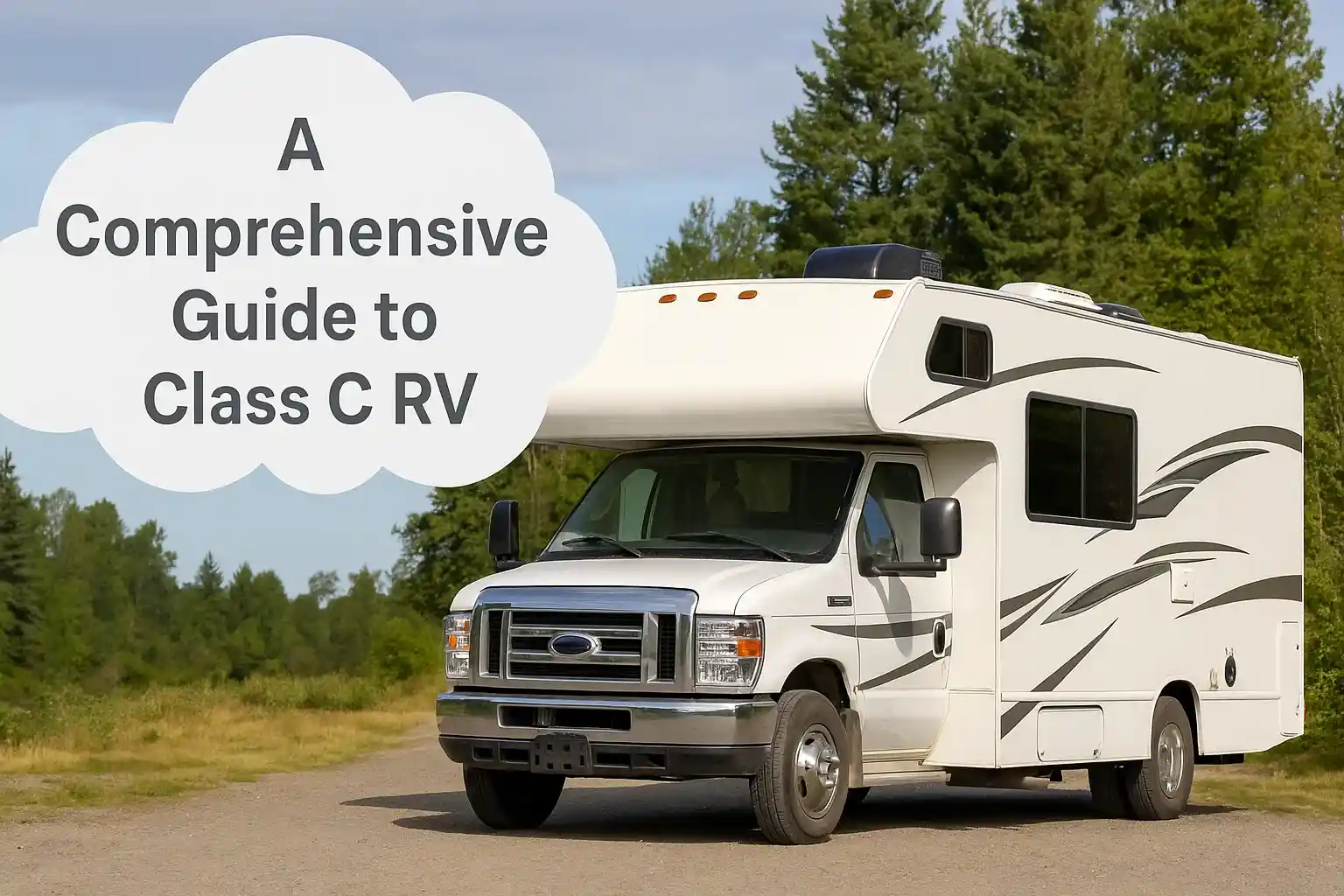
Class C motorhome (mid-size motorhomes) | ≈ US$ 100 – 300 per tire | Mid-size need moderate load-rating tires; cost typically lower than heavy Class A rigs. Example surveys place average around US$ 110 per tire. |
Travel trailers / Towables / Smaller campers / Trailers | ≈ US$ 50 – 200 (some as low as ~ US$ 75 per tire on sale) | These are lighter loads; smaller diameter & lower load-rating tires suffice. |
Class A RV Tire Costs
Class A motorhomes — the largest road-ready RVs — typically require the biggest, strongest tires. Because of their size and load requirements, they tend to be the most expensive.
According to industry data, the average price per Class A RV tire is around $250–$600+.
If you’re outfitting a full rig with six tires (common for larger Class As), total investment easily reaches $1,500–$3,600+ (tires only).
Example brand-price range: tires that support heavy loads and high mileage — unsurprising given the demands of a fully loaded motorhome.
Why Class A tires are costly:
Large diameter (often 22.5″ or similar), heavy-duty construction, reinforced sidewalls.
High load ratings — must support thousands of pounds safely while carrying passengers, supplies, and utilities.
Strength, durability, and stability required to handle long highway miles, heavy weight, varied loads, and sometimes dual rear axles.
Because of these factors, cheaper, lightweight tires are not recommended for Class A — saving money upfront often backfires with premature wear, blowouts, or safety risks.
Class B RV Tire Costs
Class B RVs (camper vans / van-based motorhomes) are smaller and lighter than Class A, which means their tire requirements — and cost — are generally lower.
Typical cost per Class B RV tire tends to fall in the $100–$300 range.
For those who choose high-quality or specialty tires (e.g. load-rated for van conversions or off-road), prices may be toward the upper end of that range.
Because Class B rigs carry lighter loads and are more compact, many good quality light-truck or commercial-grade tires suffice — offering a balance between price, performance, and safety.
Class C RV Tire Costs
Class C RVs — the mid-sized motorhome class — typically require tires that are more robust than light camper vans but less heavy-duty than Class A rigs.
For many Class C RV tires, expect $150–$400 per tire, depending on size, load rating, and tire quality.
Because Class C rigs often carry moderate loads and lengths (e.g. 20–30+ ft), they strike a balance between price and durability.
As with other classes: opting for high-quality, reputable tire brands — especially radial tires with good load ratings — tends to pay off with smoother rides, better handling, and longer life.
Travel Trailers & Fifth-Wheel Tire Costs
Towable RVs (travel trailers, 5th wheels) use tires designed specifically for heavy loads, towing stability, and frequent travel. Their price tends to be lower than motorhome tires — but still varies based on size and load requirements.
Trailer and fifth-wheel tires commonly range from $90 to $250 per tire. Total cost for a full set (typically 4–6 tires) may range from $360 to $1,000+ depending on size and number of axles.
Because these rigs are essentially towed, their tires tend to have more flexible load and speed requirements than motorhome tires — yet still must provide reliable stability and durability on the road.
RV Tire Types & Their Cost Differences
When you’re shopping for RV tires, the type of tire you pick can be just as — or even more — important than the size or class of your rig. Choosing the right tire type affects ride quality, load handling, durability, safety, and cost. Below is a detailed breakdown of the main tire types used on RVs and trailers — what sets each apart, and how that affects price.
Tire Type | Best For | Typical Use | Cost Range (Per Tire) |
ST (Special Trailer) | Travel trailers, fifth-wheels, tow-behind RVs | Non-powered trailer axles, heavy loads | ~$90–$250 |
LT (Light Truck / Heavy-duty tires) | Class B, C motorhomes; heavy trailers seeking stronger tires | Motorhome drive axles, tow vehicles, heavy-duty trailers | ~$120–$400+, depending on rating |
Radial vs Bias-Ply | Varies depending on travel style (highway vs occasional rough terrain) | Road trips, long-distance travel vs short-haul utility use | Radials more expensive; bias-ply cheaper |
Specialty / All-Terrain / Heavy-Duty | Off-road trailers, rugged terrain, heavy loads | Long trips, off-road stays, variable terrain | Premium — often 20–50% more than standard LT/ST tires |
ST Tires (“Special Trailer”)
What They Are: ST tires are purpose-built for trailers — including travel trailers and fifth wheels. Their construction is centered on rigid sidewalls and high load capacity, because trailers rely entirely on their tires for stability, load-bearing, and towing safety.
Why They Cost What They Do:
- Reinforced sidewalls to handle heavy vertical loads without flexing or overheating.
- Simplified tread pattern for towing — optimized for straight-line tracking, not aggressive traction.
- Often bias-ply or budget radial construction — cheaper materials than premium truck tires.
Typical Price Range: Around $90–$250 per tire, depending on size and load rating.
Best For: Towable RVs and trailers that spend most time on highways or paved roads, where towing stability and load capacity are priorities over ride comfort.
Limitations: Usually limited to about 65–75 mph speed rating — pushing higher speeds for long periods can generate heat and risk blowouts.
LT Tires (Light Truck / Heavy-Duty Tires)
What They Are: LT tires are built for light trucks, vans, and many motorhome chassis (Class B, C, or lighter trailers). They balance load capacity with driving comfort, handling, and highway performance.
Why They Cost More:
- They include stronger construction, higher-grade rubber compounds, and generally better build quality.
- Designed to maintain traction, braking, and stability when the RV is self-powered (not towed).
- Often capable of higher speed ratings and better heat dissipation — important for highway travel with a fully loaded motorhome.
Typical Price Range: $120–$400+ per tire depending on size, load range, and brand. Premium LT tires for heavy travel vans or Class C/A rigs may run even higher.
Best For: Class B and C motorhomes, SUVs or trucks towing trailers, or heavier towables needing both load capacity and road performance.
Limitations / Considerations: Always verify load ratings — some LT tires may not match the vertical load demands of heavy fifth-wheels or large trailers. When used improperly on trailers, LT tires may flex more than STs, potentially causing overheating under load.
Radial vs Bias-Ply Construction
Tire construction type heavily influences performance, durability, comfort — and price.
Radial Tires
- Have steel belts running perpendicular to the tread — better heat dissipation, longer tread life, smoother ride.
- Ideal for motorhomes and travel trailers used frequently at highway speeds.
- Tend to be more expensive than bias-ply due to better materials and longer life expectancy.
Bias-Ply Tires
- Use nylon or polyester cords at angled belts — stiffer sidewalls, robust load capacity, but less efficient heat dissipation and lower ride comfort.
- Often cheaper. Some trailer owners use them for short-distance hauling or occasional use — but they’re generally not ideal for long highway trips or modern RVs.
Summary: If you’re traveling long distances, staying on paved roads, and want stability and longevity — go with radials. If you’re hauling short distances and want a lower-cost option, bias-ply may work — with the understanding of limitations.
Specialty / All-Terrain / Heavy-Duty Tires
Some RV owners venture beyond standard ST or LT tires — choosing all-terrain, reinforced sidewall, or heat-resistant options designed for more demanding conditions.
Why some choose them:
- Long-term travel through varied terrains (gravel roads, dirt tracks, desert heat, mountainous regions)
- Overloaded rigs (heavy supplies, gear, extended gear storage)
- Frequent off-grid or boondocking stays
Cost Implication: Specialty tires often come at a premium — sometimes 20–50% higher than standard ST or LT tires.
Good For: RVers who want maximum durability, versatility, and peace of mind under variable conditions.
Not Always Worth It: For weekend travel rigs, occasional towing, or frequent highway users — standard ST or LT tires often provide the best balance of cost and performance.
How to Choose the Right RV Tire
Selecting the right tires for your RV isn’t just a matter of price or brand — it requires carefully matching tire specifications to your RV’s design, intended use, and load. Below are the essential expert criteria to ensure you pick tires that deliver safety, longevity, and peace of mind.
Key Criteria for Choosing RV Tires
Confirm the Correct Tire Size & Load Rating
Check the RV’s weight stickers: All RVs (motorhomes or trailers) come with a Federal Compliance Label showing Gross Vehicle Weight Rating (GVWR) and Gross Axle Weight Rating (GAWR). These figures tell you how much weight each axle must support. The sticker usually also lists the factory tire size and load range.
Match or exceed load requirements: When shopping, choose tires whose load-carrying capacity meets or exceeds what the original tires or manufacturer spec indicate. Buying lighter-duty tires to “save money” can be seriously risky.
Understand load range codes: The load-range letter (C, D, E, F, etc.) corresponds to the tire’s load-capacity and maximum inflation pressure. A higher-letter rating means stronger construction and heavier load tolerance.
Pro tip: Always double-check your RV’s load specs each time you replace tires — your cargo and gear may shift the required load capacity over time.
Check the Tire Age and Manufacturing Date
RV tires degrade over time even if they haven’t been driven much. Rubber compounds break down under exposure to sunlight, ozone, or temperature fluctuations.
Use the DOT code molded on the sidewall to identify the manufacturing week and year. Many experts recommend replacement every 5–7 years, even if the tread looks fine — because internal breakdown can compromise safety.
Especially when buying used RVs or tires, never skip inspecting the DOT date — old tires are a major road hazard.
Choose the Right Tire Type for Your Application
Different RV types (motorhome, trailer, fifth-wheel) and different uses (highway, towing, off-road) demand different tire constructions:
ST (Special Trailer) tires — Built specifically for trailers and fifth wheels: strong sidewalls, high load tolerance, and a design focused on stability rather than speed. They’re ideal for towables but not for driveable motorhomes.
LT (Light Truck) / Heavy-Duty tires — Commonly used on motorhomes (Class B and C) and tow vehicles. They balance load capacity with better ride comfort and highway performance.
Radial construction — Offers better heat dissipation, longer tread life, smoother ride; recommended for highway driving and long-haul travel.
Bias-ply tires — Strong sidewalls but rougher ride and shorter lifespan; may be suitable for occasional short-distance hauling or utility trailers.
For most RV owners — especially those covering significant highway miles — radial tires (correct type: ST or LT as appropriate) are the safest and most reliable bet.
Verify Speed Rating & Inflation Specifications
Every RV tire has a speed rating (a letter like L, M, N, etc.) that defines the maximum safe traveling speed under rated load and pressure conditions. For example, many ST-rated trailer tires are rated for 65 mph. Exceeding that consistently can cause dangerous heat buildup or structural failure.
Make sure your wheels/rims are rated for the tire’s max inflation pressure and load — as the tire and wheel rating together determine safe operating limits.
If you swap tires (size or type), re-check your inflation and load specs — never assume defaults apply.
Consider Driving Conditions & Travel Style
What kind of travel do you plan to do?
Highway-heavy travel: Look for radial, highway-rated LT or ST tires with good heat dissipation and load handling.
Heavy loads, frequent towing: Go for higher load ratings, reinforced sidewalls, or even upgraded tires with stronger ply ratings.
Occasional off-road, back roads, rough terrain: Premium all-terrain or heavy-duty tires may be worth the extra cost — but only if you actually need that capability.
The objective is to match tire specifications to real-world conditions — not just buy the most expensive tires assuming “more is better.”
Choose Reputable Brands & Confirm Warranty/Support
Reputable tire manufacturers (with good track records in RV or heavy-load tires) tend to offer better-quality construction, stricter quality control, and warranty coverage — all critical when the tires carry massive loads for long distances.
Budget “no-name” tires may seem like a cost-saver — but they often come with shorter lifespan, less reliable load handling, and weak or nonexistent warranty support.
Check for: manufacturing standards, reviews from other RV owners, and availability of service/replacement if there’s a defect.
Age, Storage & Maintenance History
Even a top-rated tire loses effectiveness if not cared for:
Check for dry rot, cracks, or sidewall damage before buying — even new-old stock can be degraded due to improper storage.
Store unused RVs with tire covers, off concrete (or on blocks), and away from direct sun or ozone sources to prevent rubber deterioration.
Maintain proper tire pressure at all times. Underinflated tires flex more, generate heat, and age faster.
Proper storage and maintenance often extend tire life more than simply picking the most expensive brand.
How Often Should RV Tires Be Replaced?
Now that you know which RV tires to look for and what they typically cost, the next step is understanding when it’s time to replace them. Several indicators can tell you it’s time to invest in new tires for your motorhome or trailer.
Aging Tires
Even if your tires appear to be in great condition, any tire that’s more than six years old should be replaced. Rubber deteriorates with age, and older tires can fail without warning—often with no visible signs beforehand.
To check a tire’s age, examine the DOT code on the sidewall. The last four digits tell you the week and year of manufacture. For example, a code like “0120” means the tire was made in the first week of 2020 and should be replaced no later than early 2026.
Worn-Out Tread
More commonly, tires wear out before they age out. Monitor the tread depth just as you would with a passenger vehicle. If tread depth falls below 2/32 of an inch, the tire is no longer safe and needs to be replaced.
Damaged Tires
Tires can also become unsafe due to physical damage. Make it a habit to inspect them at the start and end of every trip. Look for:
Uneven tread wear
Bulges or bubbles on the sidewall
Cracks in the rubber
Nails, screws, or punctures
Flat or underinflated tires
Any other visible signs of deterioration
If you discover any of these issues, replace the damaged tire before you get back on the road.
What to Expect When You Rent a Camper in Louisiana with Adventure Rent A Camper
When it comes to RV rental in Louisiana, the difference between a good trip and an unforgettable one often comes down to comfort, convenience, and preparation. That’s exactly what Adventure Rent A Camper delivers.
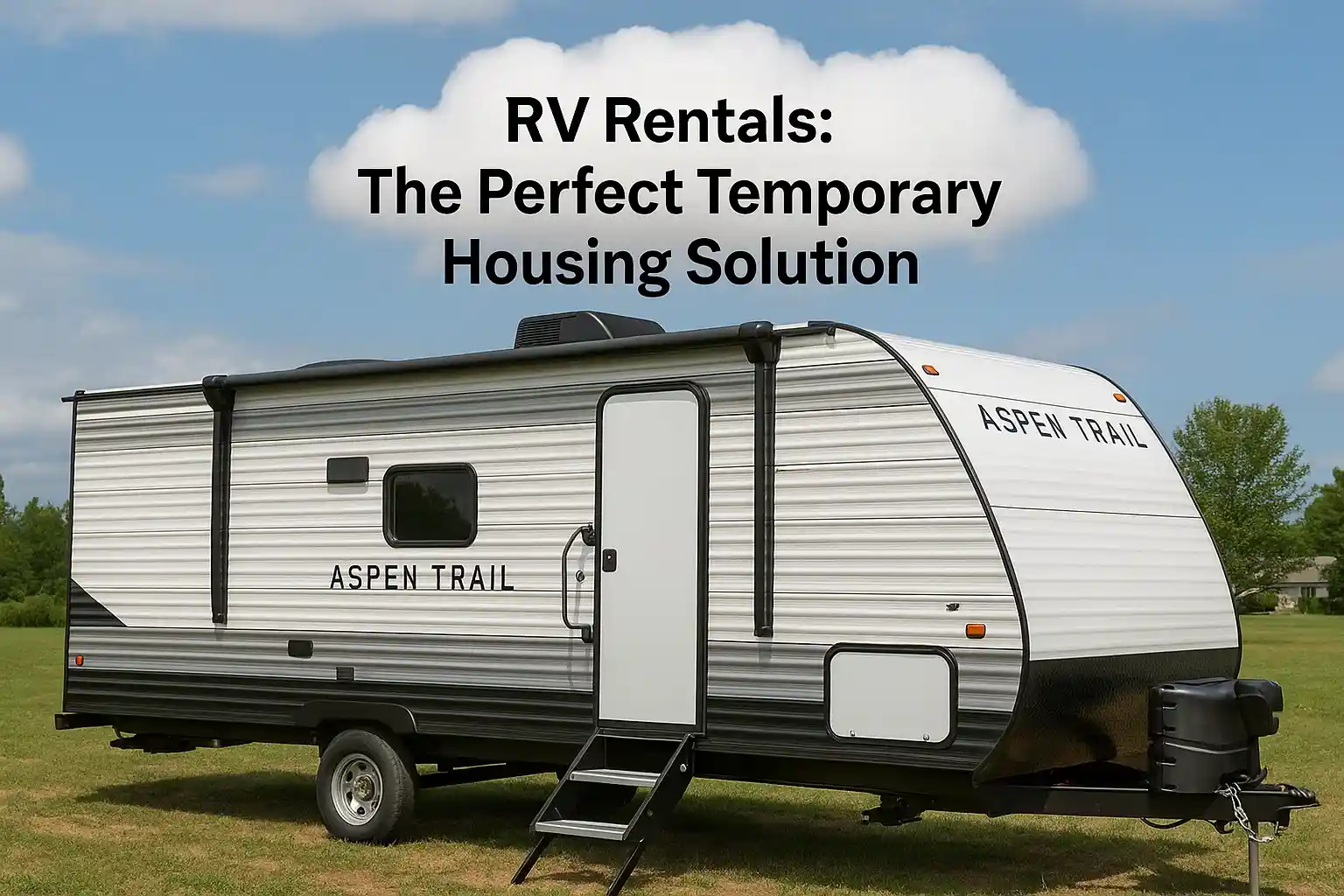
Our 2023 Dutchmen Aspen Trail 3210BHDS Travel Trailer is not just a camper—it’s a fully stocked, family-ready home on wheels designed to make your LSU Homecoming weekend or Louisiana road trip as smooth and enjoyable as possible. Here’s everything you can look forward to when renting from us.
Full Bathroom Setup
Forget campground bathrooms—our RV offers the privacy and convenience of your own!
Inside and outside showers for both comfort and convenience
Bathroom sink and toilet with full plumbing
Hot water on demand for a refreshing experience after a long day
Essentials included: toilet paper, bath towels, and basic toiletries
With a complete bathroom setup, you can enjoy a clean, private space wherever your trip takes you.
Fully Equipped Kitchen
Cooking on the road has never been easier. Our camper comes with everything you need to whip up breakfast before the big game or dinner under the stars.
Full refrigerator, oven, stove/range, microwave, and kitchen sink
Coffee maker and cooking basics included
All the pots, pans, dishes, and utensils you’ll need
A cozy dining table perfect for family meals
Whether it’s coffee at sunrise or a late-night snack after the tailgate, you’ll have all the comforts of home.
Comfortable Sleeping Arrangements
Designed with families and groups in mind, our Aspen Trail RV sleeps up to 7 guests comfortably.
A queen-size bed for restful nights
Dinette conversion, fold-out sofa, and bunk beds for added flexibility
Fresh pillows, sheets, and blankets provided for every bed
You can expect hotel-like comfort without sacrificing the freedom of the open road.
Climate & Comfort
Louisiana weather can be unpredictable—but your comfort shouldn’t be.
Air conditioning and heating keep you cozy year-round
Spacious layout with extra storage for luggage and gear
Awning and leveling jacks make outdoor setup quick and simple
Whether it’s a humid Baton Rouge afternoon or a cool autumn night, you’ll always travel in comfort.
Hookups & Power
Our camper is ready for any campground or festival setup.
Water, electric, and sewer hookups included
Inverter for stable power support
Propane tank (40 lbs) for heating and cooking
Everything is built for seamless functionality—just park, plug in, and start relaxing.
Entertainment & Tech
Stay entertained and connected during your trip.
TV/DVD player and radio with audio inputs for music or movie nights
Backup camera for safer parking and maneuvering
Whether you’re tailgating before the LSU game or relaxing at a campground, our camper keeps the good times rolling.
Trip-Ready Essentials
We’ve thought of every little detail so you don’t have to.
Fully stocked with cookware, utensils, and bathroom necessities
Optional outdoor gear add-ons like chairs, rugs, and more
All you need to bring are your personal belongings and your sense of adventure.
Why Choose Adventure Rent A Camper?
When you rent from Adventure Rent A Camper, you get more than just an RV—you get peace of mind.
No towing stress, no hassle—we handle the hard part so you can focus on fun
Locally owned and operated with a commitment to Southern hospitality
Fully stocked, family-ready RVs with everything you need for a memorable trip
Whether you’re joining the LSU Homecoming tailgate, road-tripping through Louisiana, or planning a weekend getaway, our RV rental Louisiana experience makes travel simple, comfortable, and unforgettable.
Best RV Tire Brands (Budget → Premium)
Budget-to-Midrange: Solid Value Without Overspending
These brands tend to offer reliable performance at lower price points — great for light trailers, seasonal RVs, or owners on a tighter budget.
Carlisle (Radial Trail HD / Trailer Tires)
What stands out: Often priced in the lower end (relatively to RV-specific tires), they offer decent stability and adequate load support, making them a good choice for tow-behind trailers or smaller fifth wheels.
Best for: Travel trailers, occasional RVers, budget-conscious owners needing safe yet affordable tires.
Maxxis (e.g. M8008 ST Radial)
What stands out: Maxxis has gained popularity because its tires provide a solid balance between durability, ride comfort, and price. Many owners appreciate their performance on mid-sized trailers and light-duty RVs.
Best for: Medium trailers, 5th-wheels, or RVs that spend moderate time on the road but don’t demand premium-grade tires.
Power King / Other Budget Brands
What stands out: Generally implemented on budget trailers or as factory-installed tires. They can serve as temporary or backup options, but are often considered entry-level and less durable long-term.
Best for: Light trailers, short-term use, spare tires, or first-time RV owners watching initial costs.
When to choose budget tires: You have a light trailer or camper, you travel infrequently, or you’re trying to replace tires on a budget.
Tradeoff: You’ll likely sacrifice long-term durability, and may need replacements sooner — so frequent inspections are key.
Mid-Range & Balanced Performance: Best for Frequent RVers
For RV owners who travel often, tow heavier loads, or want dependable performance without paying premium prices — these brands strike a balance.
Goodyear (Endurance, G670 RV, Unisteel RV lines)
What stands out: Goodyear is widely recognized in the RV community for durable, RV-rated tires with strong sidewalls, all-season treads, and good load handling. Their Endurance line is often highlighted as one of the best ST-rated tires for travel trailers and fifth wheels.
Best for: Travel trailers, fifth wheels, medium-size RVs — especially those doing highway travel and carrying heavy loads.
Bridgestone (e.g. Duravis Series, other RV-ready tires)
What stands out: Known for consistent quality and all-season performance, Bridgestone tires offer good traction, strong wet-weather handling, and reliable tread life. Well suited for larger motorhomes or trailers wanting a dependable mid-range tire.
Best for: Larger trailers or motorhomes, mixed-use travel (highway + seasonal camping), or those wanting stable handling on various road conditions.
Hankook, Toyo and Similar Mid-Line Brands
What stands out: These brands often occupy the middle ground — quality that exceeds basic budget tires but without premium-brand price tags. Good for those seeking reliability without overspending.
Best for: Mid-size motorhomes (Class B/C), moderate travel frequency, or as value-driven replacements.
When mid-range tires make sense: You travel regularly, tow moderate loads, want longer tire life than budget options, and prefer balanced cost-to-performance ratio.
Premium Tier: Maximum Durability, Safety & Longevity
For serious RV owners — long-term travelers, large Class A rigs, heavy trailers, or those needing the best safety margin — premium brands shine. They cost more upfront but deliver reliability and peace of mind.
Michelin (XPS Rib, XRV, premium all-season and motorhome tires)
What stands out: Michelin is often voted the top overall brand for RV tires. Known for exceptional tread life, superior wet & dry traction, stable handling, and lower rolling resistance — that improves fuel efficiency on long journeys. They’re especially recommended for motorhomes and heavy trailers.
Best for: Class A or C motorhomes, heavy fifth wheels, long-distance travelers, or anyone prioritizing safety and durability.
Continental (for RVs, trailers & motorhomes)
What stands out: Continental produces high-quality, all-season RV and trailer tires that offer good load capacity, stable performance, and reliable wear patterns. Especially beneficial for those facing varied weather conditions and highway driving.
Best for: Towables and motorhomes traveling in mixed climates, requiring dependable all-season performance.
Other Premium Picks (when available): In some cases, high-end Firestone models or specialty tires from major manufacturers also rank high among RV owners — though availability and size matching can be more limited.
When to invest in premium tires: You drive long distances, tow heavy loads, travel in diverse climates, or want maximum safety and longevity from your tire investment.
Conclusion: RV Tires Cost
Choosing the right RV tires is one of the most important decisions you’ll make as an RV owner — not just for performance, but for safety, comfort, and long-term value. RV tire cost can vary widely based on size, class, type, load rating, and brand, but understanding what you’re paying for puts you in full control of the buying process.
At the end of the day, the goal is simple: Choose tires that support your RV’s weight, match your driving habits, and keep your family safe on every trip. If you follow the criteria and breakdowns in this guide, you’ll never have to guess—or overspend—when it’s time to replace your RV tires.
Reserve your fully stocked camper today and enjoy all the comfort of home—delivered right to your chosen location anywhere in Louisiana, including New Orleans, Baton Rouge, Lafayette, and Shreveport.
Book Now
Ready to hit the road in comfort and style? Adventure Rent A Camper makes it easy to book your RV for travel, events, or weekend getaways. Our team handles the hard work so you can enjoy a hassle-free experience from start to finish.
Call Us: (225) 955-5484
Email: info@adventurerentacamper.com
Website: www.adventurerentacamper.com
Book Online: Reserve Your Camper Here
Don’t wait—our RVs book quickly, especially during peak travel and event seasons. Reserve your camper today with Adventure Rent A Camper and travel stress-free, with all the comforts of home.