Buying or renting an RV is an exciting decision, but it’s also a big financial commitment. Whether you’re planning a cross-country trip, preparing for family adventures, or considering an RV rental in Louisiana, one question often comes up: how much does an RV inspection cost, and is it really necessary?
In this guide, we’ll break down the average RV inspection cost, what’s included, why it’s worth it, and how it ties into the rental market. By the end, you’ll know exactly what to expect and how to budget for it, ensuring your next RV adventure is stress-free and safe.
What Is an RV Inspection?
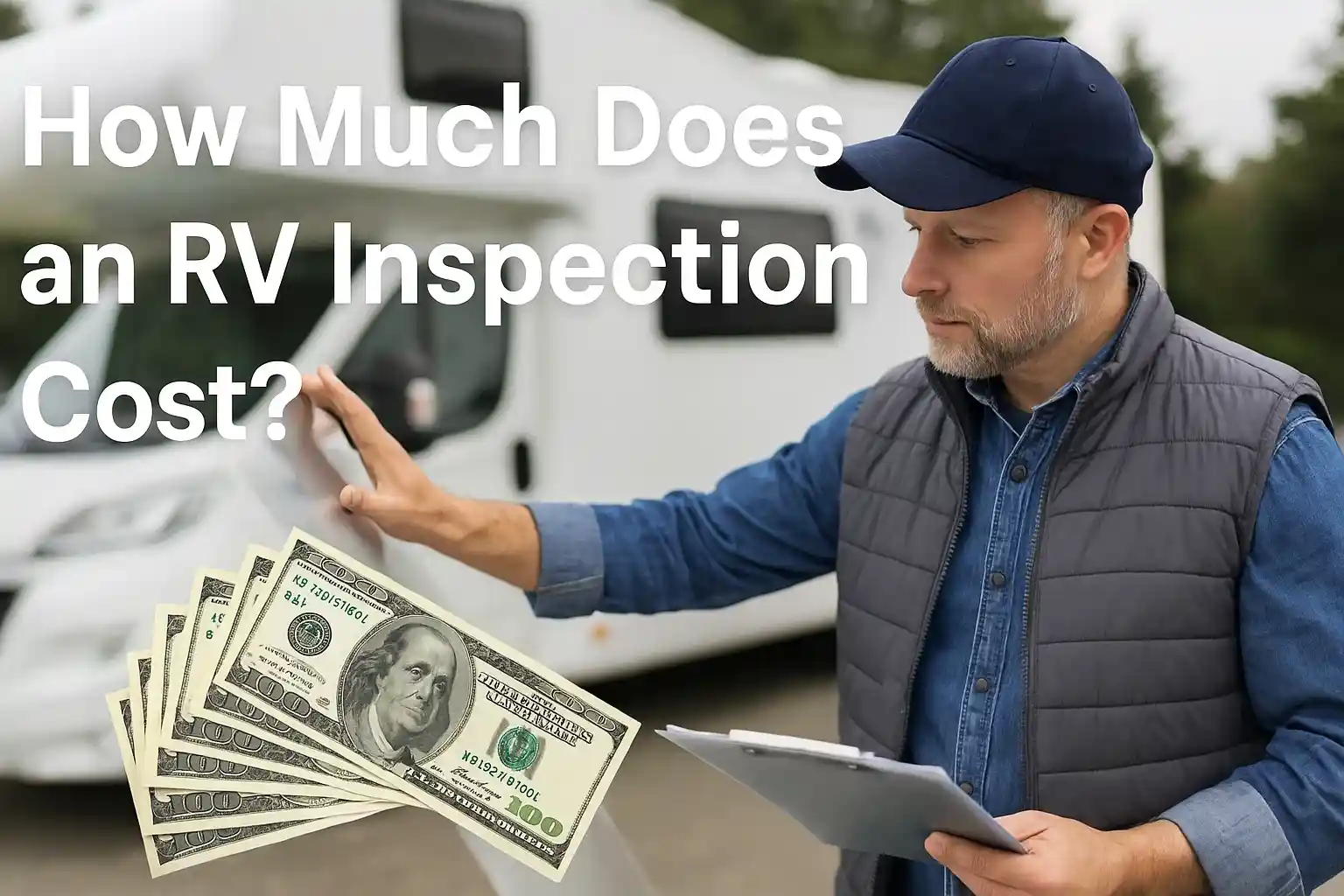
An RV inspection is a detailed evaluation of a recreational vehicle’s condition, performed by a certified RV inspector or professional mechanic. Think of it as the RV equivalent of a home inspection—it ensures everything is safe, functional, and ready for the road.
Inspections cover a wide range of areas, including:
-
Exterior & Structure: Roof, windows, doors, seals, siding, and signs of water damage.
-
Interior: Floors, walls, ceilings, appliances, and furniture condition.
-
Plumbing Systems: Freshwater, gray, and black tanks, as well as pumps and hoses.
-
Electrical Systems: Batteries, inverters, fuses, and hookups.
-
HVAC Systems: Air conditioning, heating, and ventilation performance.
-
Safety Checks: Brakes, tires, lights, alarms, and propane systems.
There are generally two main types of RV inspections:
-
Basic Safety Inspection – A quick check of essential safety systems. Costs are lower, but coverage is limited.
-
Comprehensive RV Inspection – A detailed, top-to-bottom review of the RV, often used before purchase or long-term rentals.
Whether you’re considering an RV rental in Louisiana, looking at a camper rental Louisiana, or planning to purchase an RV for personal use, an inspection ensures you’re making a smart, safe investment.
Average RV Inspection Cost
Understanding the RV inspection cost upfront helps you budget wisely and avoid unexpected expenses down the road. Here’s a clear breakdown of what to expect:
Inspection Price Ranges by Detail Level
-
Basic safety checks typically start in the range of $150 to $300, covering essential systems like brakes, tires, and lights.
-
Comprehensive inspections—which take 6–9 hours and cover the entire RV from roof to chassis—can cost anywhere from $300 to over $1,500.
Costs Based on RV Type & Size
Different types of RVs require different levels of inspection effort—and cost:
-
Towable RVs (travel trailers, pop-ups): Approximately $400–$1,000.
-
Fifth wheels: Typically $700–$1,399.
-
Class B & C motorhomes: Range from $800 to $1,299, plus extra for fluid analysis.
-
Class A motorhomes: Higher complexity yields a cost of $900–$1,599+, with fluid sampling adding $200–$300 extra.
Why Higher Costs Reflect Better Value
Some inspectors charge up to $2,500 for premium service, based on testimonial cases. These inspections typically include:
-
Deep diagnostics: roof seals, structural integrity, appliances, systems coordination.
-
Specialized equipment use: moisture meters, propane leak detectors, borescopes.
-
Time investment: Inspections often require 6–9 hours on-site, plus report compilation.
Quick Reference Table: RV Inspection Costs
| RV Type | Inspection Cost Range |
|---|---|
| Basic Safety Check | $150 – $300 |
| Towable Trailers | $400 – $1,000 |
| Fifth Wheels | $700 – $1,399 |
| Class B & C Motorhomes | $800 – $1,599+ (plus fluids) |
| Class A Motorhomes | $900 – $2,500+ (with full diagnostics) |
Why It’s Worth It
Though some inspections may seem costly, consider the repair bills they can save you—roof work, appliance replacements, or undetected structural damage often cost thousands. A detailed investment today avoids financial surprises tomorrow.
What’s Included in an RV Inspection
When considering the RV inspection cost, it’s important to understand what you’re actually paying for. A certified RV inspector evaluates far more than just a quick walk-through — they check critical systems, safety features, and the overall condition of the vehicle. Here’s a breakdown of what most inspections include:
Exterior & Structural Checks
-
Roof condition – seals, vents, skylights, and potential water leaks.
-
Walls and siding – delamination, cracks, or damage from past accidents.
-
Windows and doors – proper sealing, locks, and insulation performance.
-
Slide-outs and awnings – smooth operation, motor function, and seal integrity.
Interior Living Spaces
-
Cabin flooring, walls, and ceilings – signs of moisture, mold, or damage.
-
Cabinetry and storage – secure fittings and weight-bearing strength.
-
Furniture and bedding – functionality of dinette conversions, fold-outs, and bunks.
-
Safety equipment – fire extinguishers, smoke/CO detectors, and emergency exits.
Plumbing & Water Systems
-
Freshwater, gray, and black tanks – capacity, leaks, and condition.
-
Water pumps and hookups – pressure tests to ensure reliability.
-
Bathrooms – shower, toilet, sink, and hot water availability.
-
Kitchen plumbing – sink and drainage functionality.
Electrical & Power Systems
-
Battery health and inverter testing – reliable charging and output.
-
120V and 12V systems – outlets, breakers, and fuses checked.
-
Lighting and appliance wiring – fridge, microwave, and stove connections.
-
Generator and solar system (if installed) – efficiency and safety inspection.
Heating, Cooling & Propane Systems
-
Air conditioning and heating units – thermostat and airflow functionality.
-
Propane system – leak detection, tank condition, and regulator performance.
-
Water heater – ignition, temperature consistency, and safety valves.
Chassis & Driving Components (Motorhomes)
-
Engine and transmission – fluid analysis (oil, coolant, transmission).
-
Brakes, tires, and suspension – wear, alignment, and stopping capability.
-
Steering components – stability and road safety.
-
Backup cameras and safety sensors – working condition.
Specialized Diagnostic Tools Used
Inspectors often use professional-grade tools like:
-
Moisture meters – to detect hidden water damage.
-
Propane leak detectors – for gas line safety.
-
Borescopes – to examine hard-to-reach areas inside walls and tanks.
Why It Matters:
By covering every system from plumbing to power, an RV inspection gives you a full health report of the unit. This ensures you won’t face unexpected repair bills — which can run from $1,000 for minor leaks to $10,000+ for structural or engine issues.
Why Paying for an Inspection Is Worth It
Many RV buyers hesitate when they hear the price of an inspection. After all, when you’re already budgeting for the purchase or rental, adding another few hundred dollars can feel unnecessary. However, when you look at the long-term savings, peace of mind, and overall value, the RV inspection cost becomes one of the smartest investments you can make.
Avoid Expensive Hidden Repairs
Without an inspection, you risk buying or renting an RV with hidden issues. Something as small as a roof leak can lead to thousands of dollars in water damage if not detected early. Similarly, a failing propane system or faulty brakes can create serious safety hazards. A thorough inspection helps uncover these problems before they drain your wallet.
Boost Your Negotiating Power
When purchasing a used RV, having a professional inspection report gives you leverage. If the inspector identifies issues, you can:
-
Negotiate a lower purchase price.
-
Ask the seller to fix the problems before closing the deal.
-
Walk away from a bad investment with confidence.
Instead of paying full price and hoping for the best, you’ll make a decision backed by solid facts.
Protect Your Safety and Comfort
Your RV isn’t just a vehicle — it’s your temporary home, whether for road trips, RV rental Louisiana, or long-term camping adventures. An inspection ensures that water, electrical, and propane systems are all safe and reliable. This reduces the chance of emergencies while giving you the comfort of knowing your RV is road-ready.
Long-Term Savings Outweigh the Upfront Cost
While an inspection might cost $300–$700 depending on the RV size, skipping it could lead to repair bills in the thousands. Spending a little upfront saves you from major expenses down the road, whether it’s replacing an engine, repairing the roof, or rewiring electrical systems.
Peace of Mind for First-Time Owners
If you’re new to RV life, the inspection provides more than just a checklist. Inspectors often explain how different systems work, which helps you understand your RV better. This knowledge is invaluable, especially for first-time buyers or renters preparing for their first camper rental in Louisiana.
When to Schedule an RV Inspection
Timing is everything when it comes to an RV inspection. Knowing when to schedule an RV inspection can save you money, reduce stress, and ensure your RV is ready for the road. Whether you’re buying, renting, or preparing for a long trip, here are the best times to book one.
Before Buying a New or Used RV
Even if a dealership tells you the RV is “brand new” or “recently serviced,” it’s smart to get an independent inspection. A certified RV inspector checks areas sellers might overlook or not disclose. For used RVs, this step is absolutely essential to avoid hidden issues and inflated prices.
Before Renting an RV in Louisiana
If you’re planning an RV rental Louisiana, a quick inspection ensures you’re driving a safe, road-ready vehicle. While many rental companies maintain their fleet, verifying the condition of essentials like brakes, propane lines, and electrical hookups gives you peace of mind before a family trip or tailgating event.
Before a Long Road Trip or Camping Season
Planning a cross-country trip or gearing up for a busy travel season? Schedule an inspection before you hit the road. A pre-trip inspection checks critical systems — from tires to plumbing — so you can focus on enjoying the journey rather than worrying about breakdowns.
After Major Repairs or Upgrades
If you’ve recently had engine work, plumbing replacements, or electrical upgrades done, an inspection ensures everything was installed correctly and functions safely. Catching mistakes early prevents costly repeat repairs.
For Peace of Mind as a First-Time Owner
New RV owners often feel overwhelmed by the systems inside their vehicle. Scheduling an inspection soon after purchase gives you a clear overview of your RV’s condition and provides valuable tips on maintenance and safe operation.
Choosing a Reliable RV Inspector
Look for Certified Inspectors
Always choose an inspector certified by organizations like the National RV Inspectors Association (NRVIA). Certified inspectors follow strict standards and provide detailed reports covering electrical, plumbing, roof, and chassis systems.
Ask About Their Experience
RV systems are more complex than standard vehicles. Ask how many inspections the professional has performed and whether they have experience with your RV type (motorhomes vs. towables). More experience usually means fewer overlooked issues.
Review Sample Reports
Before booking, request a sample inspection report. Reliable inspectors provide detailed write-ups with photos, not just checklists. This helps you understand the level of depth and transparency you’ll receive.
Consider Local Experts
If you’re planning a camper rental in Louisiana or buying locally, look for inspectors who know the unique conditions of the region, such as humidity-related water damage or seasonal wear. Local inspectors may also offer more flexible scheduling around events like Mardi Gras or LSU game weekends.
Compare Pricing and Value
Don’t just shop for the lowest RV inspection cost. Instead, evaluate what’s included:
-
Full systems check (plumbing, electrical, HVAC).
-
Road test.
-
Appliance and safety checks.
Paying a little more for a detailed report is often worth the investment.
Conclusion: RV Inspection Cost
When it comes to owning, buying, or even booking a camper in Louisiana, an RV inspection isn’t just another expense — it’s a safeguard for your investment and your family’s safety. The average RV inspection cost may range from a couple of hundred dollars to over a thousand depending on the type of inspection, but the long-term value far outweighs the price.
By identifying hidden issues, ensuring road safety, and providing a clear picture of your RV’s condition, inspections save you from unexpected repair bills and stressful breakdowns during trips. Whether you’re a first-time buyer or a seasoned traveler, scheduling regular inspections gives you the confidence to enjoy your RV adventures without worry.
At the end of the day, paying for an RV inspection isn’t just about cost — it’s about peace of mind, safety, and smarter financial planning.
Book Now
Ready to hit the road in comfort and style? Adventure Rent A Camper makes it easy to book your RV for travel, events, or weekend getaways. Our team handles the hard work so you can enjoy a hassle-free experience from start to finish.
Call Us: (225) 955-5484
Email: info@adventurerentacamper.com
Website: www.adventurerentacamper.com
Book Online: Reserve Your Camper Here
Don’t wait—our RVs book quickly, especially during peak travel and event seasons. Reserve your camper today with Adventure Rent A Camper and travel stress-free, with all the comforts of home.