Recreational vehicles come in many shapes and sizes, but when it comes to comfort, stability, and long-term travel convenience, fifth wheel trailers stand out as a top choice. Often described as the “luxury apartments of the RV world,” fifth wheels offer spacious interiors, advanced floor plans, and a secure towing setup that appeals to both seasoned travelers and those new to RVing.
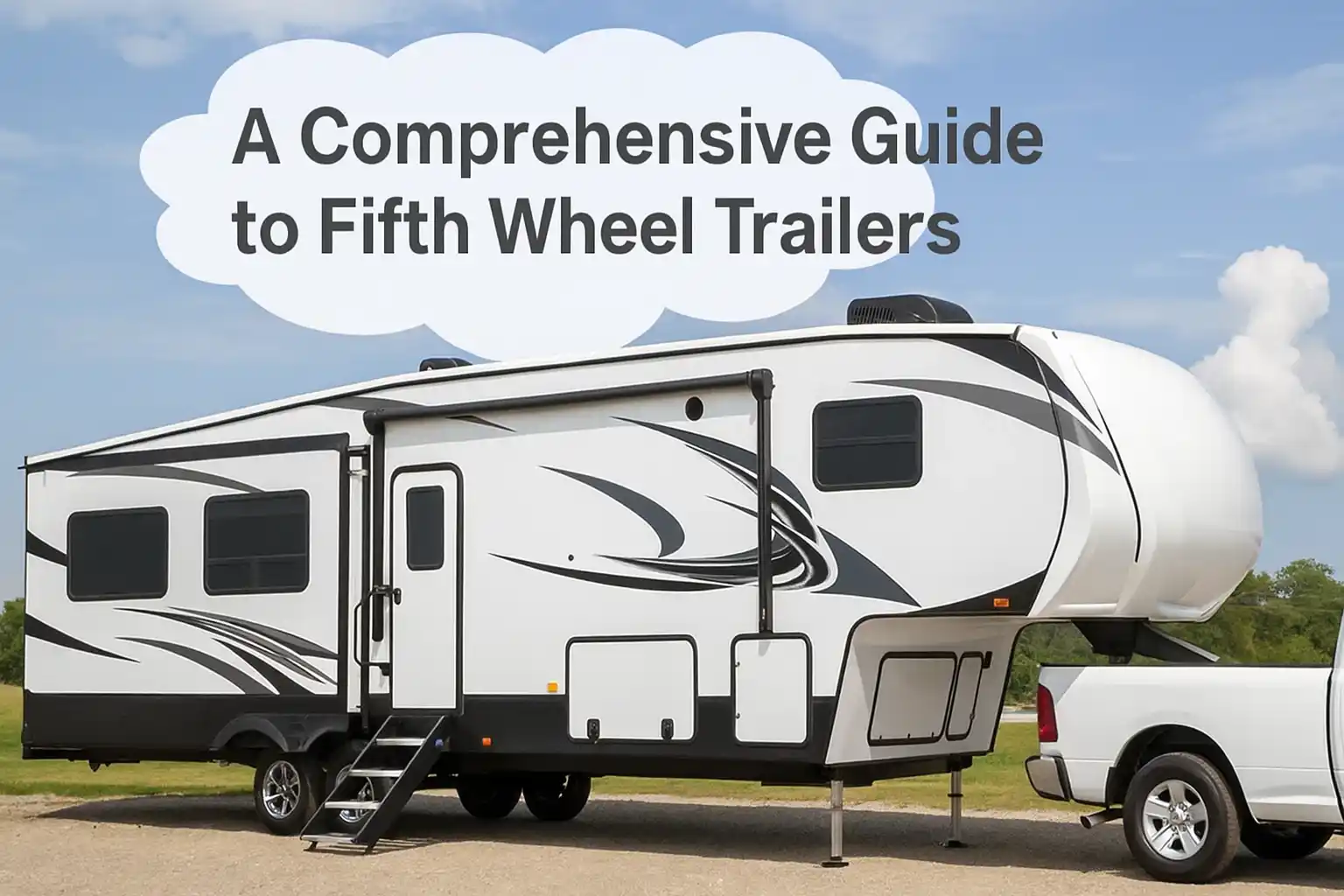
If you’ve ever wondered, “What is a 5th wheel, and how does it differ from other RVs?” you’re not alone. Fifth wheels are a unique class of towable RVs that connect to a pickup truck using a special hitch mounted in the truck bed. This design provides more stability than bumper-pull trailers and allows for larger, more home-like living spaces.
In this comprehensive guide, we’ll break down everything you need to know about fifth wheels—from their dimensions, layouts, and types to the costs, pros and cons, and tips for renting one. Whether you’re planning your first RV adventure or weighing the pros and cons of upgrading your travel lifestyle, this resource will help you make an informed decision.
What is a 5th Wheel?
A fifth wheel is a type of towable RV that attaches to the bed of a pickup truck using a specialized “fifth wheel hitch.” Unlike traditional bumper-pull travel trailers, the hitch is mounted directly over the rear axle of the truck, which distributes weight more evenly and improves towing stability. This setup reduces trailer sway and makes maneuvering easier, especially on highways or tight turns.
Fifth wheels are known for their spacious layouts, often featuring multiple slide-outs, full kitchens, residential-style bathrooms, and even second bedrooms or office spaces. Because the front portion of the trailer extends over the truck bed, designers maximize living space without drastically increasing the overall trailer length.
For many RV travelers, a fifth wheel feels more like a mobile home than a camper. They’re popular among full-time RVers, long-distance travelers, and families who want more comfort than a standard travel trailer can offer.
Key characteristics of a fifth wheel include:
-
Hitch Location: Mounted in the truck bed for stability.
-
Interior Space: Larger living areas and taller ceilings compared to other towables.
-
Weight & Size: Heavier than travel trailers, typically requiring a ¾-ton or 1-ton pickup truck.
-
Amenities: Full kitchens, multiple bedrooms, washer/dryer hookups, and modern entertainment systems.
In short, if you’ve been asking, “What is a 5th wheel and why is it so popular?”—the answer lies in its unique combination of comfort, towing stability, and home-like amenities.
Why Choose a Fifth Wheel?
If you’re considering an RV for extended travel or even full-time living, a 5th wheel offers advantages that set it apart from travel trailers and motorhomes. From comfort to safety, here’s why many professionals and seasoned travelers choose this RV type.
Comfort and Spacious Interiors
Fifth wheels are designed with residential-style layouts that often include high ceilings, multiple slide-outs, and open floor plans. Many models feature private bedrooms, full kitchens, large bathrooms, and living rooms with theater seating. This makes them ideal for travelers who don’t want to sacrifice comfort while on the road.
Stability and Safer Towing
The fifth wheel hitch attaches directly to the truck bed, distributing the trailer’s weight over the rear axle. This design reduces sway and improves overall control, making it safer to tow compared to bumper-pull trailers. For professionals who travel long distances, this added stability can make driving less stressful and more predictable.
Perfect for Long-Term Travel or Full-Time RV Living
Because of their generous storage capacity and residential amenities, fifth wheels are a top choice for those who spend weeks, months, or even years on the road. Many models include washer/dryer hookups, large refrigerators, and entertainment systems, making them a true home away from home.
Flexibility for Professionals
For remote workers, entrepreneurs, and professionals on the move, fifth wheels offer the space to create functional workstations without compromising living areas. With private bedrooms and multiple slide-outs, it’s easy to separate work from leisure, making them practical for both productivity and relaxation.
In short, a fifth wheel isn’t just about travel—it’s about traveling in comfort, safety, and style, whether for business or pleasure.
Fifth Wheel Dimensions and Weight
One of the most important things to understand before renting or buying a fifth wheel is its size and weight. These factors affect not only where you can travel but also what kind of truck you’ll need for towing. Unlike smaller campers or bumper-pull trailers, fifth wheels are larger and heavier, offering more comfort but also requiring proper planning.
Average Dimensions
Most fifth wheels fall within the 25 to 45-foot length range, making them some of the largest towable RVs on the road. The width is typically 8 to 8.5 feet, which can expand further when slide-outs are deployed. As for height, fifth wheels usually range between 11.5 to 13.5 feet tall. These measurements are critical when navigating underpasses, bridges, or tree-covered roads.
Weight Range
The weight of a fifth wheel can vary widely depending on size and features. On average:
-
Smaller fifth wheels: 5,000 – 10,000 lbs.
-
Mid-sized models: 10,000 – 15,000 lbs.
-
Large/luxury fifth wheels: 15,000 – 20,000+ lbs.
This weight does not include personal cargo, water, or supplies, so the fully loaded weight will be higher. Always check the manufacturer’s Gross Vehicle Weight Rating (GVWR) to ensure your tow vehicle can handle the load safely.
Truck Compatibility
Because of their size, towing a fifth wheel requires a heavy-duty pickup truck. In most cases, a three-quarter-ton (250/2500 series) or one-ton (350/3500 series) truck is recommended. The fifth wheel hitch attaches directly in the truck bed, offering better stability and weight distribution than bumper-pull trailers.
Why Size and Weight Matter
-
Campground Access: Some parks and campgrounds have length restrictions. Knowing your exact dimensions ensures you can book sites confidently.
-
Safety: Proper weight management prevents strain on your truck and reduces accident risk.
-
Fuel Efficiency: Larger and heavier models consume more fuel, an important factor for budget-conscious travelers.
In summary, understanding the dimensions and weight of a fifth wheel helps you plan smarter, tow safer, and choose the right setup for your lifestyle on the road.
Cost of Owning or Renting a Fifth Wheel
New vs Used Purchase Prices
Fifth-wheel trailers span a wide price range depending on size, floorplan, and amenities. Entry-level models (20–30 ft, basic layout) can start around $35–60K, while mid-range units (multiple slide-outs, larger kitchens/beds) run roughly $65–95K. Luxury fifth-wheels (35–45 ft, 3–5 slide-outs, high-end finishes) typically cost $100–175K or more. In general, new fifth-wheels of all classes fall in the ballpark of $60–175K+.
Used fifth-wheels offer big savings. Buyers can often find good-condition used units from about $25K up to $120K depending on age and features. For example, new fifth-wheel prices average ~$60–175K, while used models generally range from ~$25–120K.
Rental Rates (Daily/Weekly/Monthly)
Renting a fifth wheel is often cheaper per trip than buying, but rates vary with season, location, and RV condition. Peer-to-peer platforms report typical nightly rents ranging from roughly $125 to $300+ depending on size and luxury level. For instance, RVezy’s 2024 data show newer (≤10 years) fifth-wheels averaging about $170/night ($1,070/week, $3,810/month), while older (>10 years) units average about $135/night ($850/week, $3,025/month). These prices include any weekly/monthly discounts already applied.
Larger or more luxurious models (e.g., multiple bedrooms, outdoor kitchens, or toy hauler garages) tend to be at the higher end of the price range. In practice, advertised weekly or monthly rentals usually reflect a significant discount off the cumulative nightly rate (e.g., ~$1,000–1,500 per week or ~$3,000–4,000 per month for a mid-range fifth-wheel).
Ownership & Operating Costs
Beyond the purchase price, fifth-wheel ownership carries ongoing expenses. Key components include:
Insurance & Registration
Insurance premiums for travel-trailer style RVs typically range from $600–$1,200 per year, varying by coverage level, state, and how the RV is used. Full-time RVers usually need higher liability or “full-timer” coverage. Annual registration and license fees depend on the state but often add roughly $100–$400 per year for a fifth-wheel. Some states also charge an annual vehicle tax or personal property tax based on RV value; these can add a few hundred dollars annually.
Maintenance & Repairs
Regular upkeep is significant on a large towable. Budget around $1,000–$2,500 per year for routine maintenance. Typical items include annual seal inspections, roof resealing, brake servicing, slide-out maintenance, and HVAC (air conditioner) checks or repairs. Higher costs or one-time upgrades (e.g., new tires, axles, batteries, appliance replacements) may occur less frequently but should be anticipated. Staying on top of maintenance not only prevents costly failures but also preserves resale value.
Storage Fees (Off-Season/Idle Storage)
Many fifth-wheels are too large to keep at a private residence. If home storage isn’t available, commercial storage is common. Rates vary by location and facility. Outdoor (uncovered) RV lots are the cheapest (roughly $75–$150 per month), while covered or roofed parking runs about $150–$250 per month. Climate-controlled or fully enclosed units (which prevent sun/moisture damage) can cost $200–$350 per month. On the other hand, storing at home or on personal land (if feasible) can avoid fees entirely, though the RV may need protective measures (covers, tire pads) for weather exposure.
Campground/RV-Park Fees
When traveling, nightly campsite fees depend on location and amenities. Moderate parks usually charge around $30–$80+ per night for a full-hookup fifth-wheel site. Premium resorts or in-demand areas can exceed $100/night. Most parks offer cheaper rates for extended stays, with monthly rates typically ranging from $500–$1,200 for a full-hookup RV site (often plus utilities). A monthly rate might average $600–800 in many regions, with utilities (electric/water/sewer) billed separately.
National/state park campgrounds are generally less expensive on a per-night basis (often $20–$40/night in popular parks) but offer only standard hookups. Membership parks like Thousand Trails charge a flat annual fee for unlimited camping instead of nightly rates.
Fuel (Towing Costs)
Fuel is an important variable cost when towing a fifth wheel. Heavy ¾- or 1-ton trucks pulling a loaded fifth-wheel will see significantly reduced fuel economy (often in the single digits or low double-digits mpg, depending on RV weight and terrain). As a rough example, at 10 mpg and $4.50/gallon, driving 1,000 miles costs about $450. Long trips (e.g., 5,000–10,000 miles per year) can easily run several hundred to a thousand dollars in fuel. Fuel costs depend entirely on travel distance, route, and truck efficiency. Efforts like driving slower, maintaining tire pressure, and reducing excess weight can help improve mpg.
Total Cost Estimation
Each of these costs can vary widely by region and usage. For professionals planning an RV lifestyle, it’s wise to budget tens of thousands over the first few years (combining purchase amortization and operating expenses) to fully assess feasibility. Overall, a basic new fifth-wheel plus annual operating costs might total $8–15K per year (purchase financed over 10–15 years plus ~$3–5K annual maintenance/fees/fuel).
By comparison, renting (especially short-term) eliminates many fixed costs but shifts them into higher nightly fees. In either case, careful planning—including shopping for insurance, maintenance packages, and campground memberships—can help control these ongoing costs.
Fifth Wheel Floor Plans & Layout Options
One of the biggest advantages of choosing a fifth wheel is the wide variety of floor plans available. Whether you’re a professional planning long-term travel, a couple looking for weekend getaways, or a family that needs extra sleeping space, fifth wheels offer layouts that cater to different lifestyles.
Living Room Configurations
Most fifth wheels feature spacious living areas with slide-outs that expand the space. You’ll often find:
-
Rear living rooms with large windows and entertainment centers.
-
Front living rooms offering a residential-style setup with theater seating and fireplaces.
-
Mid-living layouts that balance space between kitchen and lounging areas.
Kitchen Options
Kitchens in fifth wheels are designed for convenience and functionality. Depending on the floor plan, you can enjoy:
-
Island kitchens with additional counter space.
-
Residential refrigerators for full-time living.
-
Pantries and overhead storage for extended trips.
Sleeping Arrangements
Fifth wheels offer versatile sleeping layouts to fit various needs:
-
Master bedrooms often located in the front over the truck bed, creating a private retreat.
-
Loft areas or bunkhouses perfect for families with children or extra guests.
-
Convertible sofas and dinettes that provide additional sleeping space when needed.
Bathroom Setups
You’ll commonly find:
-
Split bathroom layouts with the shower and sink separate from the toilet area.
-
Full residential-style bathrooms in larger luxury models, sometimes with dual sinks and walk-in showers.
Work-Friendly Spaces
For professionals who plan to work remotely, many modern fifth wheels now include dedicated office space or convertible desk areas, making it easier to balance travel with productivity.
Customization Options
Fifth wheels also allow for personalization, such as choosing finishes, furniture upgrades, and even washer/dryer prep for long-term stays.
In short, fifth wheel floor plans are highly flexible, offering everything from compact designs for easier towing to luxury residential-style layouts perfect for full-time RV living.
Fifth Wheel Manufacturers
When shopping for a fifth wheel, one of the biggest factors to consider is the manufacturer. Different brands offer different levels of quality, amenities, and price points, meaning the right fit depends on how you plan to use your RV. If you’re only looking for a simple setup for weekend camping, an entry-level fifth wheel may be more than enough. On the other hand, if you’re planning to live on the road full-time or travel long distances, a luxury fifth wheel with residential features may be the better choice.
Here are some of the most reputable fifth wheel manufacturers you’ll want to explore:
Coachmen
Coachmen is one of the most recognized RV manufacturers in the industry. Known for offering reliable towable rigs at competitive prices, they’re a popular choice for first-time RV buyers. Their Chaparral and Brookstone fifth wheel lines include multiple floor plans, making it easy to choose the right size and features for your lifestyle. Despite being budget-friendly, Coachmen fifth wheels are known for quality construction and durability.
Forest River RV
Forest River RV is another industry giant, offering one of the largest selections of RVs on the market. Their fifth wheels span a wide range of price points, from affordable entry-level models to luxury rigs with high-end finishes. Because of their variety, Forest River appeals to both casual campers and long-term travelers. Their fifth wheel options are designed with comfort, convenience, and family-friendly layouts in mind.
Highland Ridge RV
Highland Ridge, a division of Jayco, is known for its Open Range fifth wheel line. These rigs stand out for their wide-body construction and oversized slide-outs, which make the interiors feel extra spacious. Despite offering more room, many Highland Ridge fifth wheels maintain lower tow weights, which means they can be pulled by a wider range of heavy-duty trucks. With stylish interiors and practical amenities, they’re an excellent balance of form and function.
Keystone RV
Keystone RV is one of the largest RV manufacturers in North America and is particularly well-regarded for its fifth wheels. Popular models like the Montana and Cougar combine modern interiors with smart storage solutions and durable construction. Keystone fifth wheels are built with long-term travel in mind, offering layouts that appeal to both families and full-time RVers.
Grand Design RV
Grand Design is a newer brand compared to others on this list, but it has quickly become a favorite among RV enthusiasts. Their fifth wheels, including the Reflection and Solitude lines, are praised for high-quality construction, customer support, and attention to detail. Grand Design rigs are often chosen by RVers who want the perfect balance of comfort, luxury, and long-term value.
Final Thoughts on Manufacturers
This list highlights only a few of the many fifth wheel manufacturers available today. Each brand has its own strengths, ranging from budget-friendly models to luxury rigs designed for extended travel. When choosing a fifth wheel, consider your budget, towing capacity, and intended use to find the perfect match for your travel lifestyle.
Read More: The Ultimate RV Rental Insurance Guide
Tips for Camping With a Fifth Wheel Trailer
Camping with a fifth wheel trailer is one of the most comfortable and rewarding ways to experience the RV lifestyle. These towable rigs combine the convenience of a home on wheels with the flexibility of having your truck available for exploring once you’re parked. But to get the most out of your adventure, you’ll want to follow some essential tips—from hitch setup to campsite planning.
Installing a Fifth Wheel Hitch Correctly
Before you can hit the road, you’ll need a proper 5th wheel hitch. Most fifth wheels require a heavy-duty, full-size truck such as a Ford F-350 or similar one-ton pickup. Always check your truck’s towing capacity and the trailer’s GVWR to ensure compatibility.
Basic steps for installation include:
-
Removing the spare tire from under the truck bed.
-
Marking and drilling pilot holes for the front hitch rail.
-
Securing under-bed brackets and bolting down the front rail.
-
Attaching the legs and rear rail, drilling/bolting as needed.
-
Torquing all hardware to spec for safety.
If you’re not comfortable doing this yourself, it’s always smart to have a professional handle the installation to guarantee safety and peace of mind.
Practice Driving and Towing
Towing a fifth wheel may seem intimidating at first, but the hitch design actually makes it more stable than bumper-pull trailers. Still, maneuvering a large rig takes practice. Start in an empty parking lot where you can work on turning, braking, and backing into spaces. Having a spotter on hand at campgrounds is also a huge help.
Plan Your Routes Carefully
Knowing your trailer’s dimensions (height, weight, and length) is crucial for safe travel. Some mountain roads, tunnels, and bridges restrict large vehicles, and campgrounds may limit site sizes. Plan ahead with RV-friendly GPS apps and confirm your campsite can accommodate your rig.
Stay on Top of Hitch & Trailer Maintenance
Your hitch is the only connection between your truck and your 5th wheel trailer, so keeping it in good condition is non-negotiable. Regularly lubricate moving parts with a fifth wheel-specific grease and wipe away old buildup that can attract dirt. Check for rust, cracks, or other wear before every trip. In addition, keep up with routine RV maintenance—tire checks, brake inspections, and slide-out seal care.
Allow Extra Time for Setup
Compared to motorhomes, fifth wheels take a bit more time to set up. You’ll need to back into your site, level the rig, unhitch, and connect water, electric, and sewer lines. Slide-outs also require clearance. While this can feel time-consuming at first, once everything’s set up, you’ll enjoy a spacious and home-like environment that makes the effort worthwhile.
Secure Items and Optimize Storage
Because fifth wheels are roomy, it’s easy to forget that everything moves while in transit. Use storage bins, bungee cords, and non-slip mats to secure kitchenware, electronics, and personal items. This prevents damage and keeps your space organized when you arrive.
Take Advantage of Outdoor Living
One of the joys of camping in a fifth wheel is extending your living space outdoors. Add a mat under your awning, set up chairs, and bring outdoor cooking gear to create a functional “second living room.” It keeps dirt out of your rig and maximizes comfort.
Be Flexible and Patient
Even with preparation, things don’t always go as planned—weather, campground availability, or travel delays may require adjustments. The beauty of owning or renting a fifth wheel is the flexibility it offers: no matter where you end up, you’ll always have a comfortable home base.
Read More: RV Hacks for a Better Camping Experience
Why Adventurers Choose Our RV Rentals in Louisiana
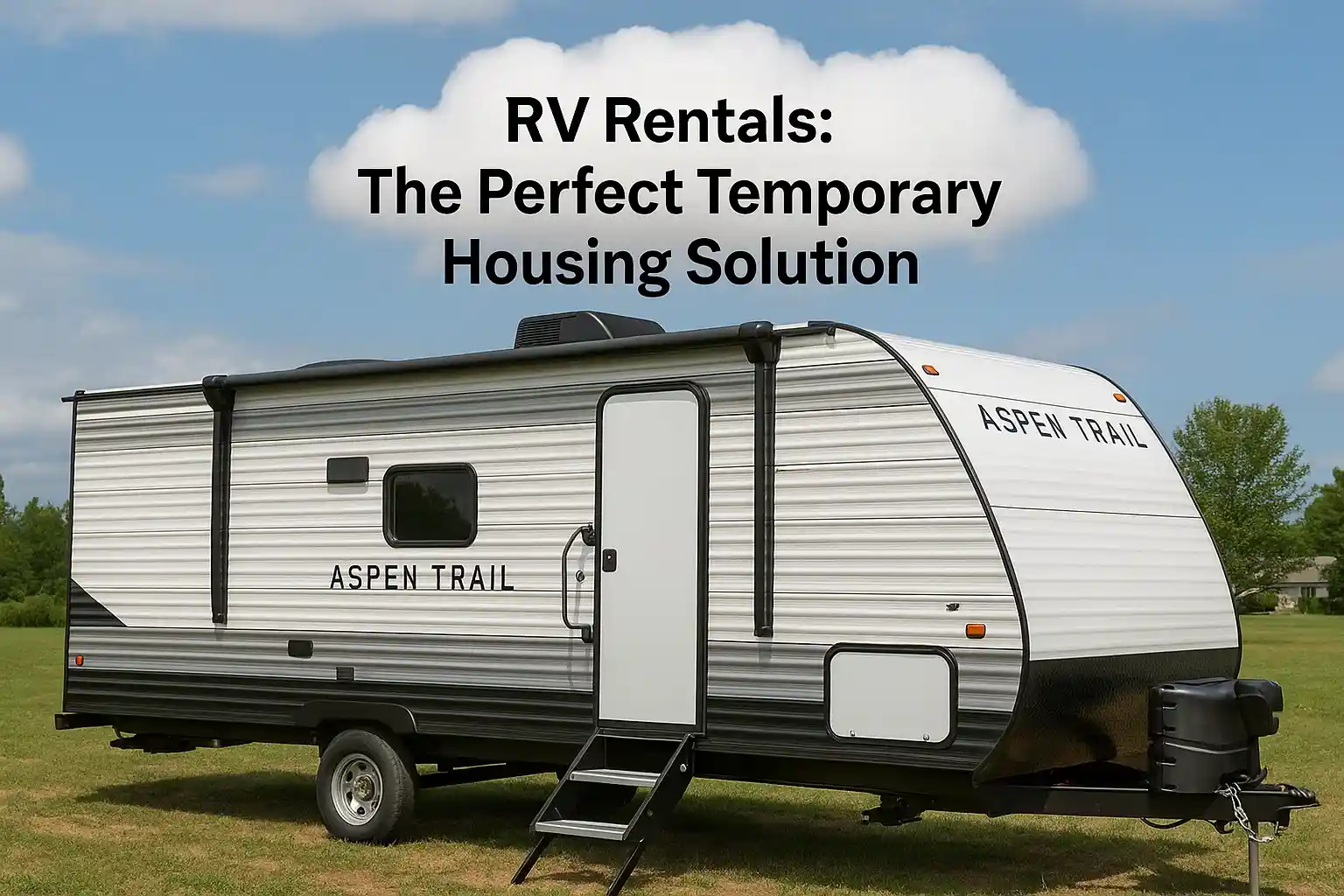
When it comes to RV rentals, the difference between an average trip and an unforgettable adventure lies in the details. At Adventure Rent A Camper, our 2023 Dutchmen Aspen Trail 3210BHDS Travel Trailer is fully stocked and designed with your comfort in mind. Here’s what makes our RV stand out:
Full Bathroom Setup
-
Inside & outside showers
-
Bathroom sink & toilet
-
Hot water supply
-
Essentials included: toilet paper, bath towels, and toiletries
Fully Equipped Kitchen
-
Refrigerator, oven, stove/range, microwave, and kitchen sink
-
Coffee maker and cooking basics
-
Pots, pans, dishes, and utensils
-
Dining table for family meals
Comfortable Sleeping Arrangements
-
Sleeps up to 7 guests
-
Queen bed, dinette conversion, fold-out sofa, and bunk beds
-
Fresh pillows, sheets, and blankets provided
Climate & Comfort
-
Air conditioning and heating for year-round travel
-
Spacious layout with extra storage
-
Awning and leveling jacks for easy setup
Hookups & Power
-
Water, electric, and sewer hookups
-
Inverter for extra power support
-
Propane tank (40 lbs) for cooking & heating
Entertainment & Tech
-
TV/DVD player, audio inputs, and radio
-
Backup camera for easy parking and safety
Trip-Ready Essentials
-
Cookware & utensils
-
Bathroom necessities
-
Outdoor gear like chairs and rugs (optional add-ons)
Why Choose Our RV?
Renting with us means no towing stress, no hassle, and everything you need is already on board. Whether you’re heading to a Louisiana festival, planning a family camping trip, or just exploring the open road, our Aspen Trail RV ensures you travel in comfort and style.
Conclusion: Fifth wheel
A fifth wheel trailer offers the perfect balance of comfort, flexibility, and functionality for professionals seeking more than just a getaway vehicle. With spacious layouts, a variety of floor plans, and reliable manufacturers, these trailers are built for both short-term adventures and long-term living. Whether you’re renting to try out the lifestyle or investing in ownership, understanding the dimensions, costs, and camping tips will help you make the right decision. A fifth wheel isn’t just an RV—it’s your gateway to freedom on the road.
Book Now
Ready to hit the road in comfort and style? Adventure Rent A Camper makes it easy to book your RV for travel, events, or weekend getaways. Our team handles the hard work so you can enjoy a hassle-free experience from start to finish.
Call Us: (225) 955-5484
Email: info@adventurerentacamper.com
Website: www.adventurerentacamper.com
Book Online: Reserve Your Camper Here
Don’t wait—our RVs book quickly, especially during peak travel and event seasons. Reserve your camper today with Adventure Rent A Camper and travel stress-free, with all the comforts of home.